
A Guide to Self Regulation

WHAT TO EXPECT
Self-regulation is at the heart of healing work. Without self-regulation, we can’t develop safety. And without safety, our ability to learn and grow is hindered. We created this download to provide a resource for learning the building blocks of self-regulation.
In this guide, you’ll learn:
The definition and benefits of self-regulation
An introduction to the nervous system
Guided exercises for holding big energy and practicing titration
We encourage you to try out some of the practices to find what feels best for you. Remember that healing work takes time, patience, and self-compassion. Learning to self-regulate is a process and beyond learning, it’s an ongoing practice. Really opening yourself up to experiencing your emotions and integrating them into your life can feel scary, so be compassionate towards yourself. Take time to reflect on how you feel throughout the guide, noting if anything feels particularly triggering.
As a gentle reminder, Studio Nourished is not a replacement for therapy. If you live in California and are interested in a consultation, please reach out to us. Otherwise, Psychology Today is a great tool to find a licensed clinician in your area.
If you have any questions, please reach out to our team!
CREATED BY
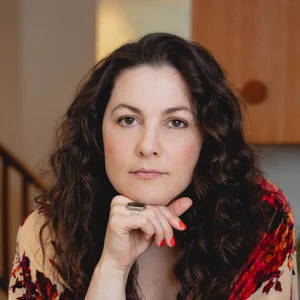
Jayden Scalise and Dr. Kelly Vincent, Psy.D.
Dr. Kelly Vincent is Licensed Psychologist and Owner of Nourished Wellness Group. She specializes in supporting individuals struggling with trauma, anxiety, depression, self-esteem, and relationship struggles. She is passionate about the integration of the mind-body. Thus, she has been trained in EMDR, gentle and restorative yoga, walk-talk therapy, and somatic approaches.


As a gentle reminder, The Studio is not a replacement for therapy. If you live in California and are interested in a consultation, please reach out to me. Otherwise, Psychology Today is a great tool to find a licensed clinician in your area.
Praesent id libero id metus varius consectetur ac eget diam. Nulla felis nunc, consequat laoreet lacus id.